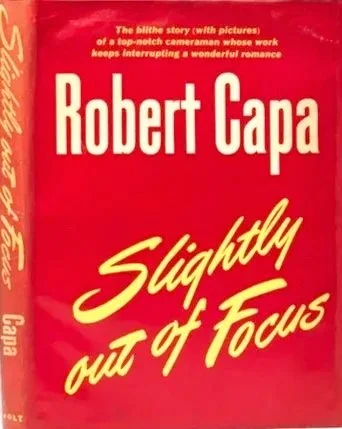
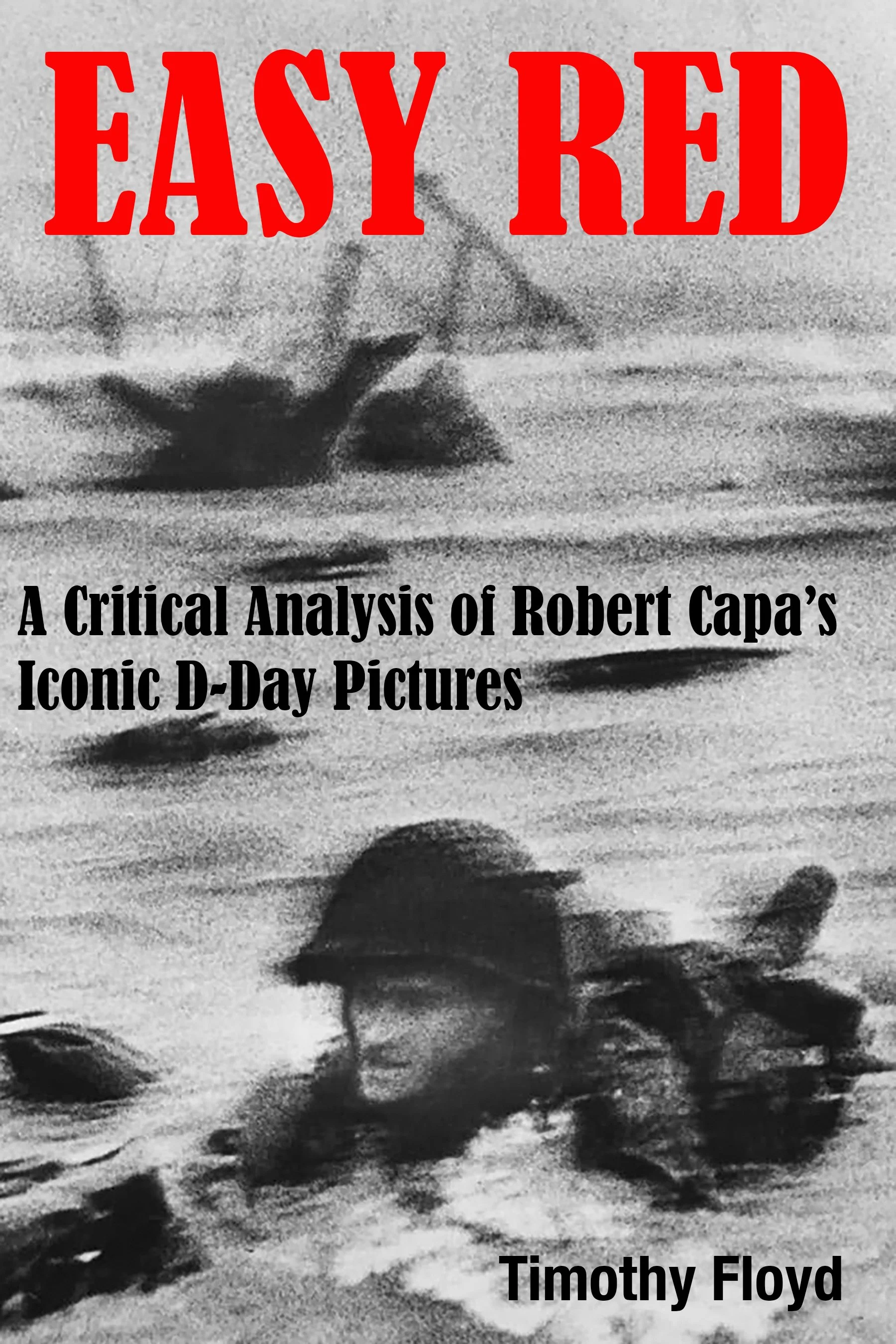
For anyone who missed the window to read my article in L’Oeil de la Photographie, here is a shorter version of the story. The Eye of Photography is a great magazine for those seriously interested in photography and well worth the nominal fee for subscription. Also, here is a link to Mr. Coleman’s response, which includes commentary by me at the bottom. Following is the abbreviated “CliffsNotes” of my forthcoming 300-page book on the subject which has over 300 references.
Robert Capa’s D-Day Controversy
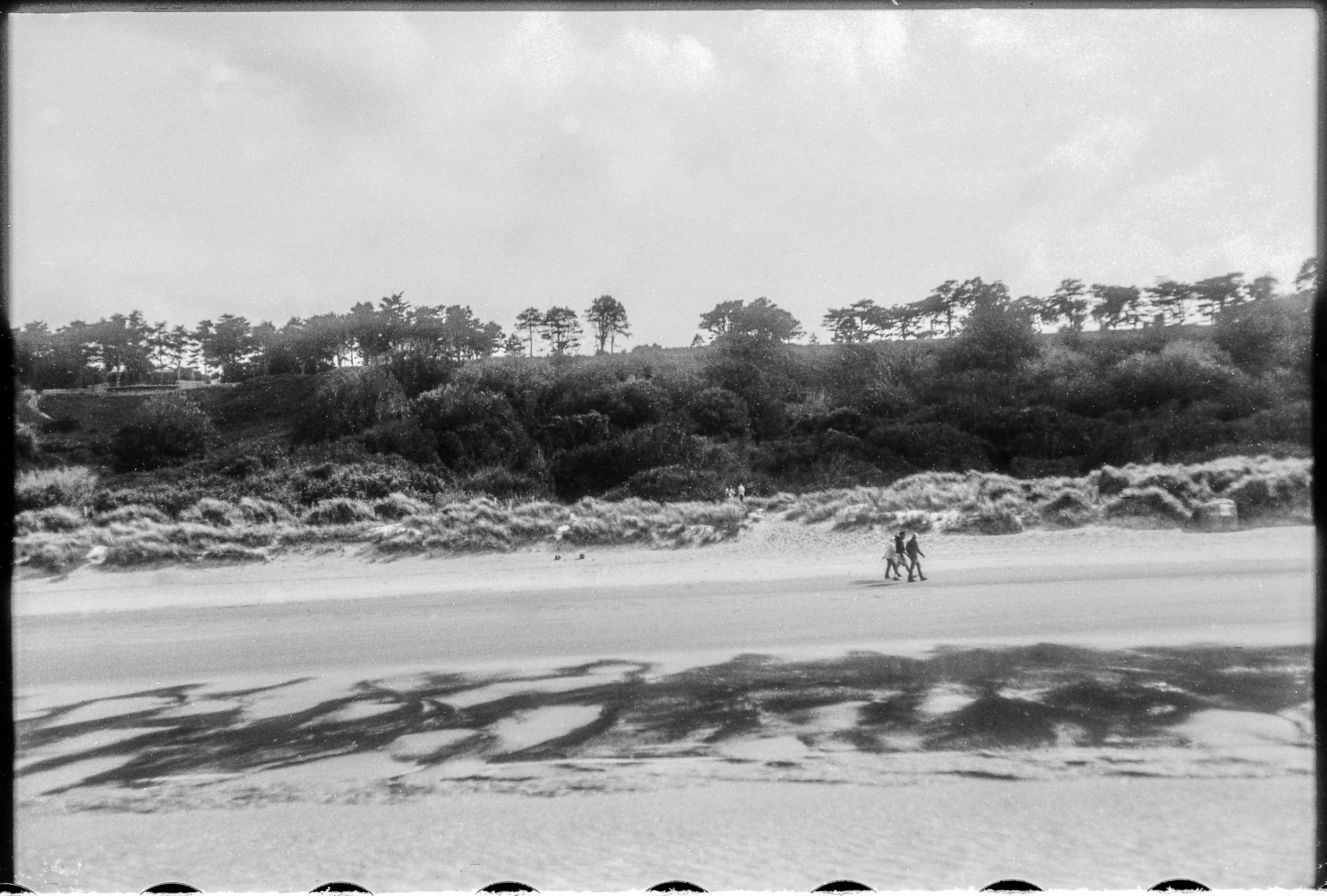
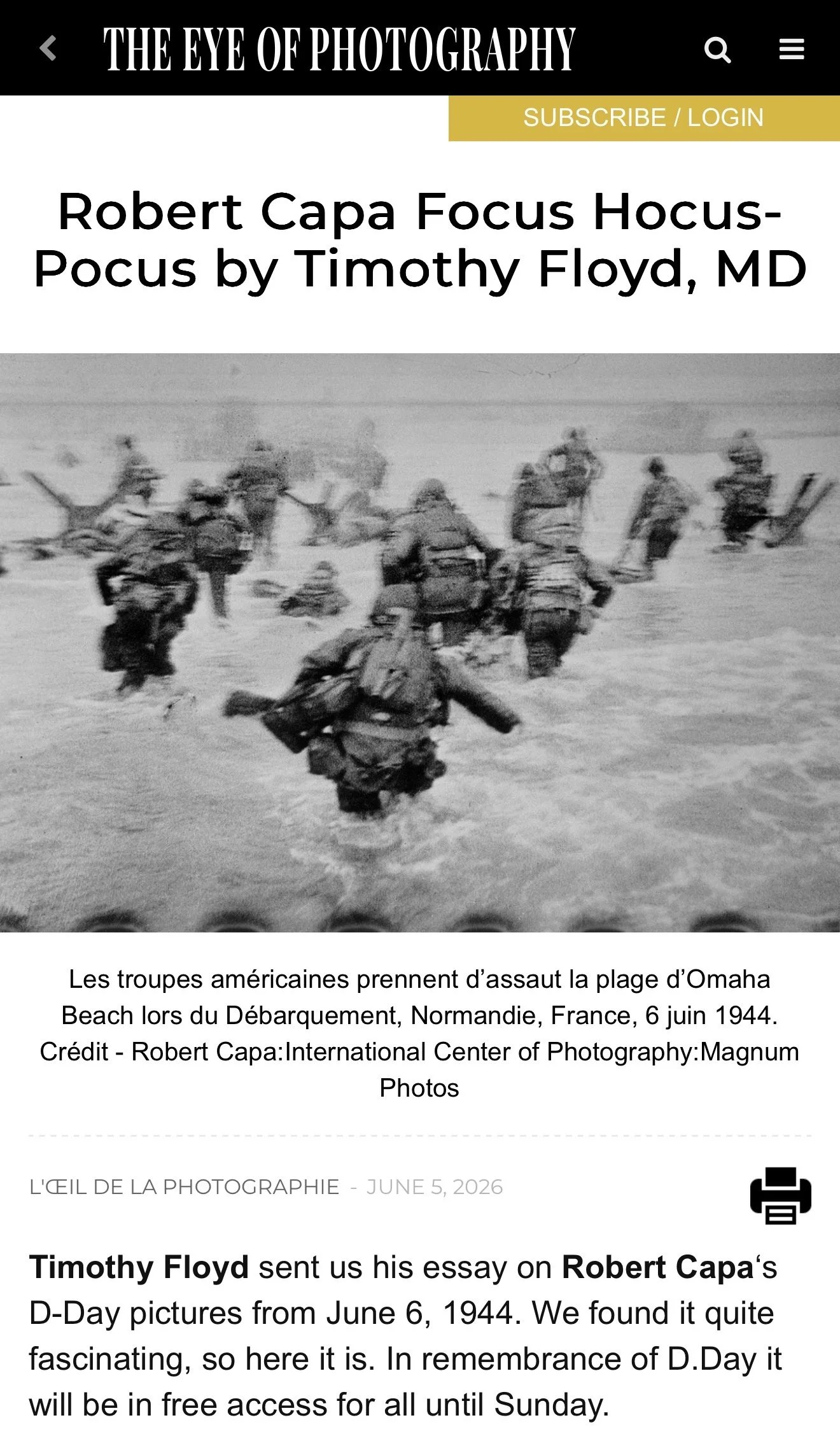
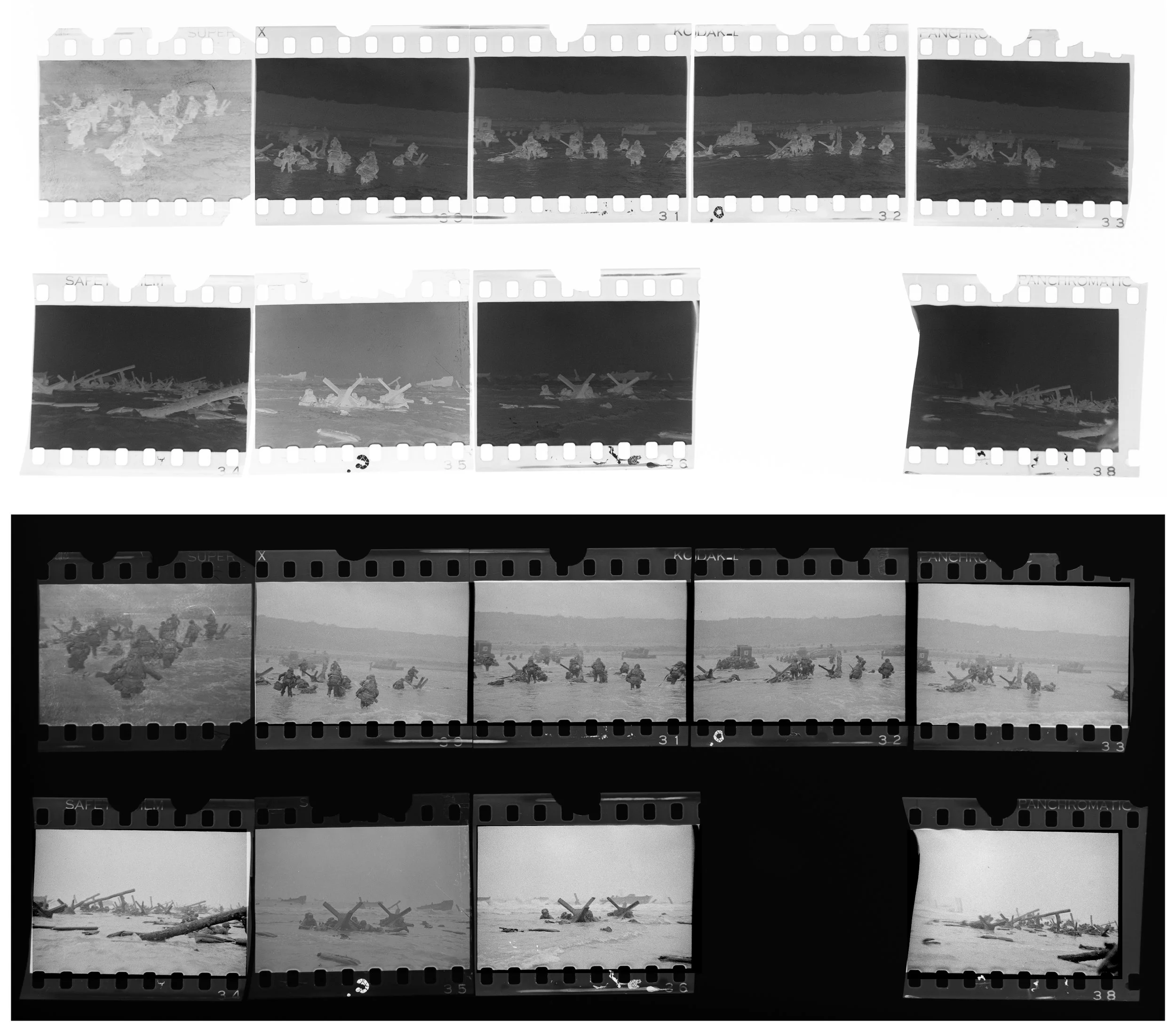
Most people interested in photography, particularly film photography, are at least vaguely familiar with the story of Robert Capa’s iconic D-Day pictures. By June 6, 1944, he already had a global reputation as an intrepid and swashbuckling war photographer. In recalling D-Day, Capa said he assaulted Omaha Beach with the first waves of troops from the American First Infantry Division. He unexpectedly was kicked off his landing craft and spent the next hour or so in the water and at a strip of cobblestones on the beach known as the shingle where he exposed at least two, possibly three rolls of film. He made his exodus via a larger landing ship so that he could return his films to LIFE magazine headquarters in London.
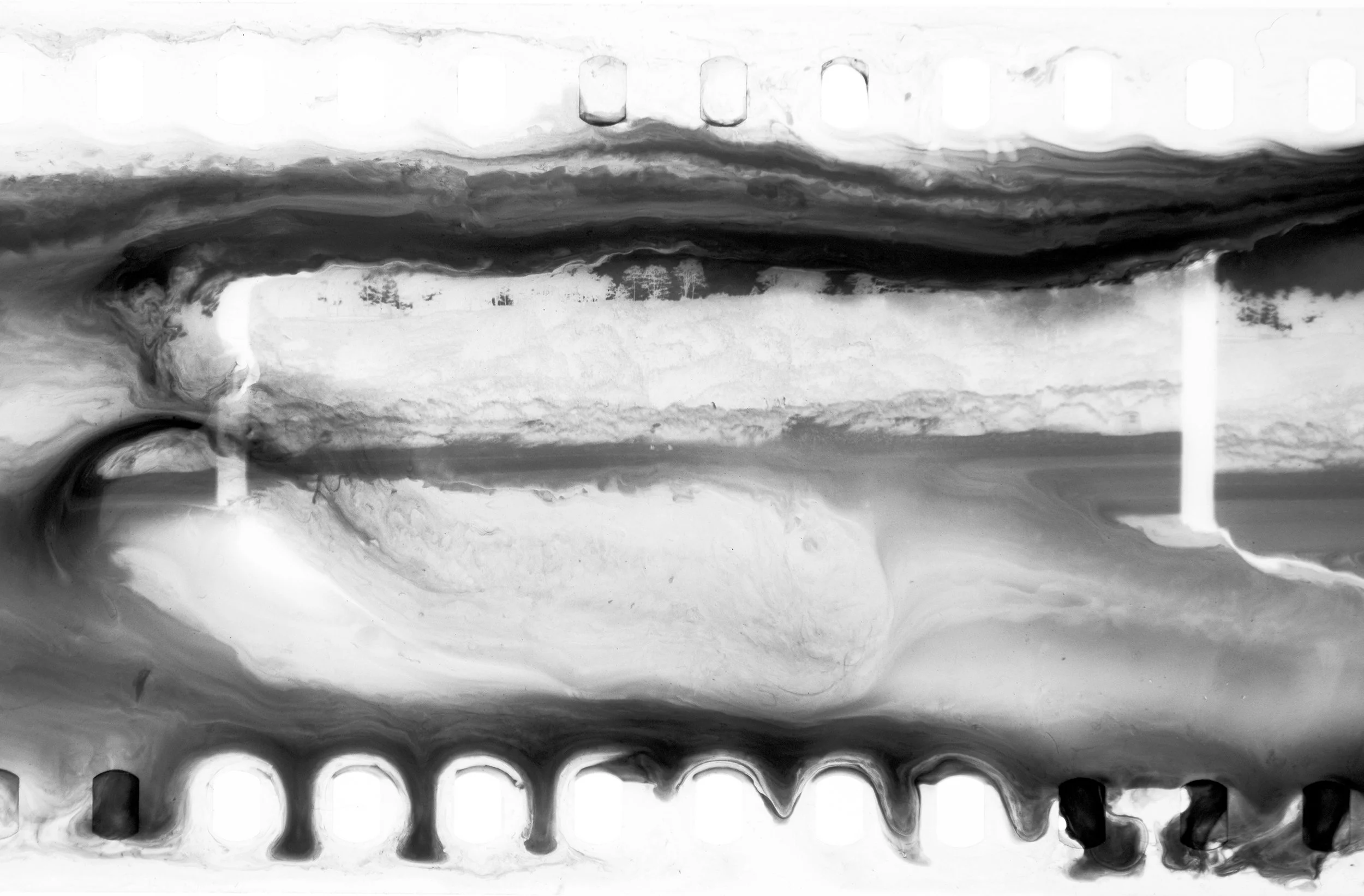
Thirty-six hours later in the LIFE darkroom a novice adolescent lab assistant ruined all but ten or eleven frames on one roll by overheating the wet film in a heated drying cabinet, which caused the emulsion to melt.[1] The other roll or rolls completely melted, leaving only the images that have become known as the Magnificent Eleven (only ten images survived), and leaving us only to imagine the epic photographs that had been lost.
This is hogwash, according to modern critics who claim that Capa was a slippery and mendacious character prone to self-aggrandizement and hyperbole. They offer proof that Capa was on the beach for less than thirty minutes and that he exposed only those ten frames before panicking and jumping on another boat, nothing more. They say that he fabricated his story to cover up for his cowardly behavior and poor production that morning.[2],[3],[4] He and picture editor John Morris concocted the darkroom mishap to shift criticism away from Capa’s timid output and onto a careless, inexperienced teenager, according to these critics. Capa took pictures of the greatest invasion in history alright, but young Denis Banks ruined them. His critics consider this a myth.
The Argument
They did not come to these conclusions without evidence. Charles Herrick devoted a large portion of his book proving that Capa could not have arrived any earlier than 8:20 a.m. because he was assigned to the regimental commander’s boat and that assignment could not be changed; it was written in stone. And there is very good evidence from three eyewitnesses that Capa boarded a large landing craft at 8:50 a.m., right as it was hit by three 75-millimeter artillery rounds, leaving Capa only thirty minutes or less on the beach. Thirty minutes is insufficient time to make it to the shingle and back, all while taking scores of photographs. Capa must have lied.
But Herrick didn’t tell you a few key facts. The regimental commander, Colonel Taylor, switched boats at the last minute. He and his 57-man command echelon initially were assigned to a boat that could carry 100 fully outfitted soldiers, but he switched to a smaller boat with a maximum capacity of only 36 soldiers. It is unlikely that he made Capa stay with him in favor of command personnel, and Capa had already said he wanted to go with an earlier wave. Major General Heubner, the commander of the First Infantry Division, gathered his commanders just prior to invasion to let them know that Eisenhower granted full freedom of movement to civilian war correspondents, especially those from American New Magazines, like LIFE.
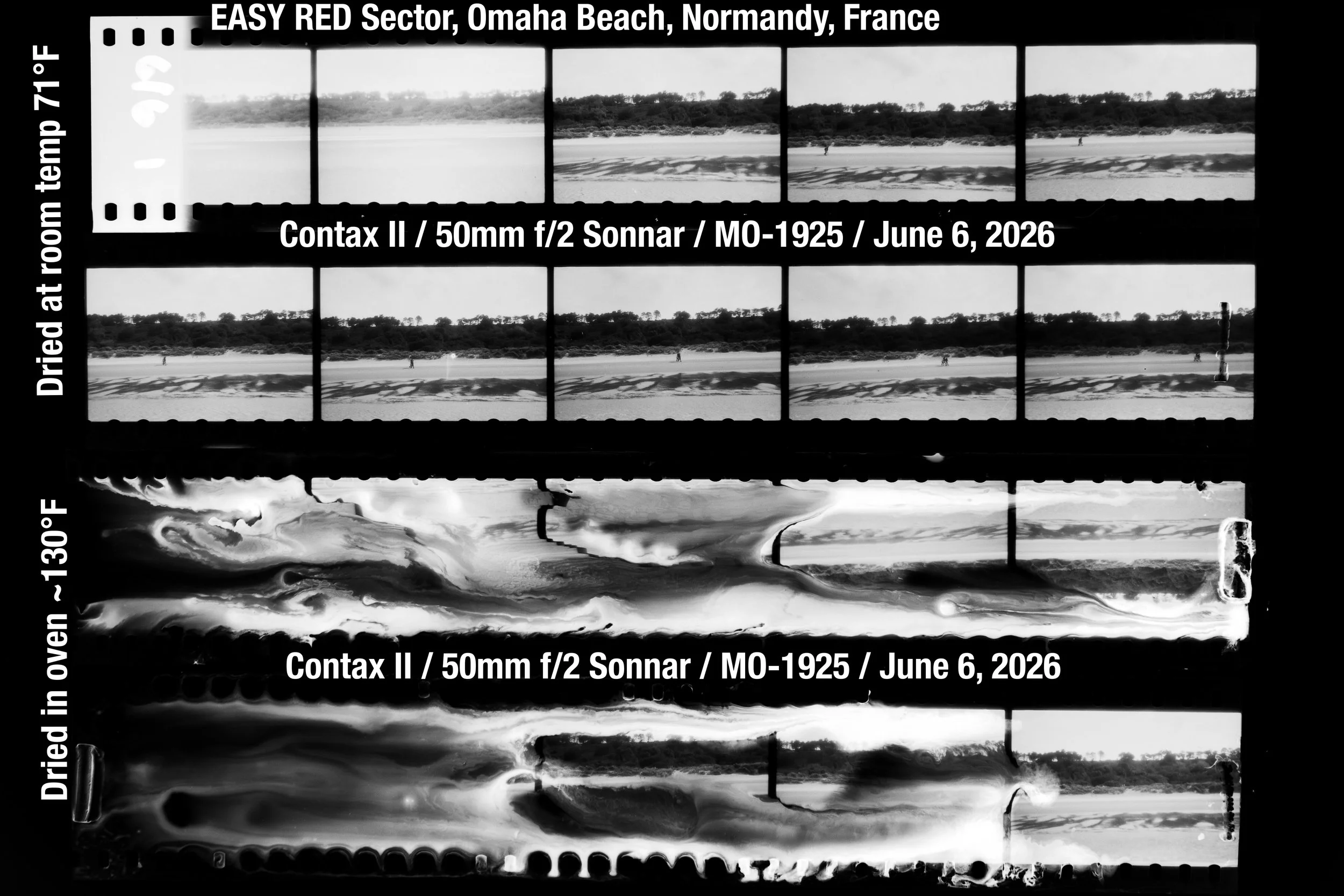
As it turns out, the commander of First Battalion had extra room on his boat, so Capa rode in with him, arriving at 7:50 a.m. This means that Capa was at the Easy Red sector of Omaha Beach for one hour, from 7:50 a.m. to 8:50 a.m. With the rapidly rising tide and relentless German gunfire, this means he had to get to the shingle on the beach just to survive. It means that he had time to expose at least one more roll of film.
How do we know this? From three eyewitnesses, of whom Captain Charles Hangsterfer was responsible for loading men onto the boats, and the other two were in the same boat as Capa. Lieutenant William M. Kays, wrote letters home a few days after D-Day in which he mentioned riding to the beach with Capa. After the war, Kays finished his education and became the dean of the school of engineering at Stanford University. He was not prone to lying.
Not only do these men corroborate Capa’s presence on the First Battalion Commander’s boat, two of them recalled seeing him later photographing in the water, wondering why a civilian would place himself in those circumstances.
These eyewitness accounts run counter to Herrick’s contention that Capa arrived later with Taylor. If Capa had arrived earlier, Herrick’s explanation of Robert Capa’s D-Day experience falls apart because Herrick claims that Capa never had time to get to the shingle on the beach and never exposed a second roll of film. That roll became the infamous missing roll that was ruined by Banks in the darkroom.
But how can the stories of three eyewitnesses who said Capa arrived at 7:50 a.m. be discounted? Well, when someone’s story doesn’t comport with yours, the easiest thing to do is call them a liar. Herrick calls these men “parasitic legends,” which he explains are people who attach to or imagine a shared experience with a legendary person to become somewhat legendary themselves. In today’s parlance, to be cool. A.D. Coleman, who has blogged about Capa since 2014, calls this phenomenon “borrowed glamour,” not quite as bad as stolen valor but along those same lines. He said that Kays was guilty of “self-mythification.” [5]
As Mark Twain said, nothing spoils a good story like the arrival of eyewitnesses.
I believe the soldiers. Lenny Doyle, the other soldier in the boat didn’t even know Capa’s name. He told his daughter that there had been a photographer from LIFE magazine on his boat, but Coleman told her that Lenny had given her incorrect information about his D-Day experience, based on Charles Herrick’s theory. But if Capa was at Omaha Beach for one hour he had plenty of time to expose at least one more roll of film. If that didn’t melt, what did happen to it?
The Emulsion Melt Myth
As part of his critique, Coleman proved that photographic film emulsion does not melt. First, he tried a strip of film he had at home, rehydrated it, and hung it to dry in a hot place. No melting. Then he commissioned a French photographer Tristan da Cunha to do a more meticulous experiment. To summarize the lengthy document that described his experiments, he found that the wet emulsions of modern film, and of Kodak Super-XX from the 1940s that Coleman gave him, did not melt even under temperatures high enough to deform the acetate. The emulsion remained stable.[6] For Coleman and associates, this settled the question of Capa’s emulsion melting once and for all. It didn’t happen. Capa lied.
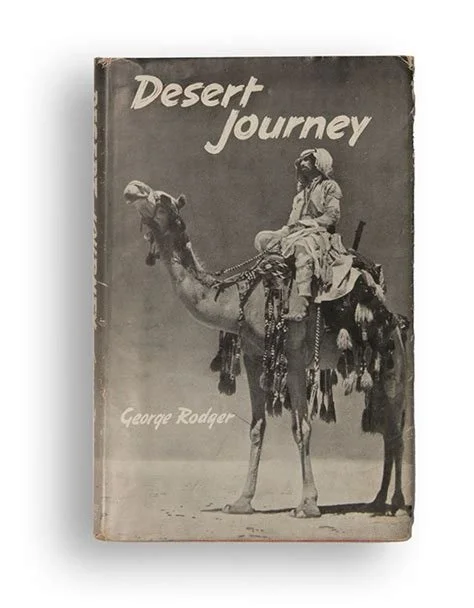
Enter George Rodger, an early LIFE staff photographer, friend of Capa, and an original cofounder of Magnum Photos. LIFE sent Rodger on a four-month assignment to cover World War II in Africa that turned into four years. One summer in Baghdad, Rodger had trouble cooling his developing solutions below 103° Fahrenheit, even by adding ice. The warm solutions caused his emulsions to literally melt off the acetate. He solved this problem by adding chrome alum, which cross-linked the collagen molecules in the emulsion to each other and to the acetate, thereby hardening the emulsion.[7] Most early emulsions had very little, if any, added hardeners because the chemicals fouled the machinery used to manufacture the film. Hardeners were not routinely added in film manufacture until after the war.
I realized this could be an explanation for the darkroom mishap, but how could I test it? Enter Mark Osterman. Mark was making a film for the Leica camera company to coincide with the 100-year anniversary of the first commercially produced Leica camera. Mark—a specialist in researching and producing historic photo sensitive materials—was the process historian at George Eastman Museum, Rochester, NY from 1999 to 2020. Mark’s film has an emulsion formula from 1925, which he calls MO1925, that did not have added hardeners. That’s the closest modern emulsion to that used by George Rodger and Robert Capa. He supplied me with samples with which I conducted some experiments.
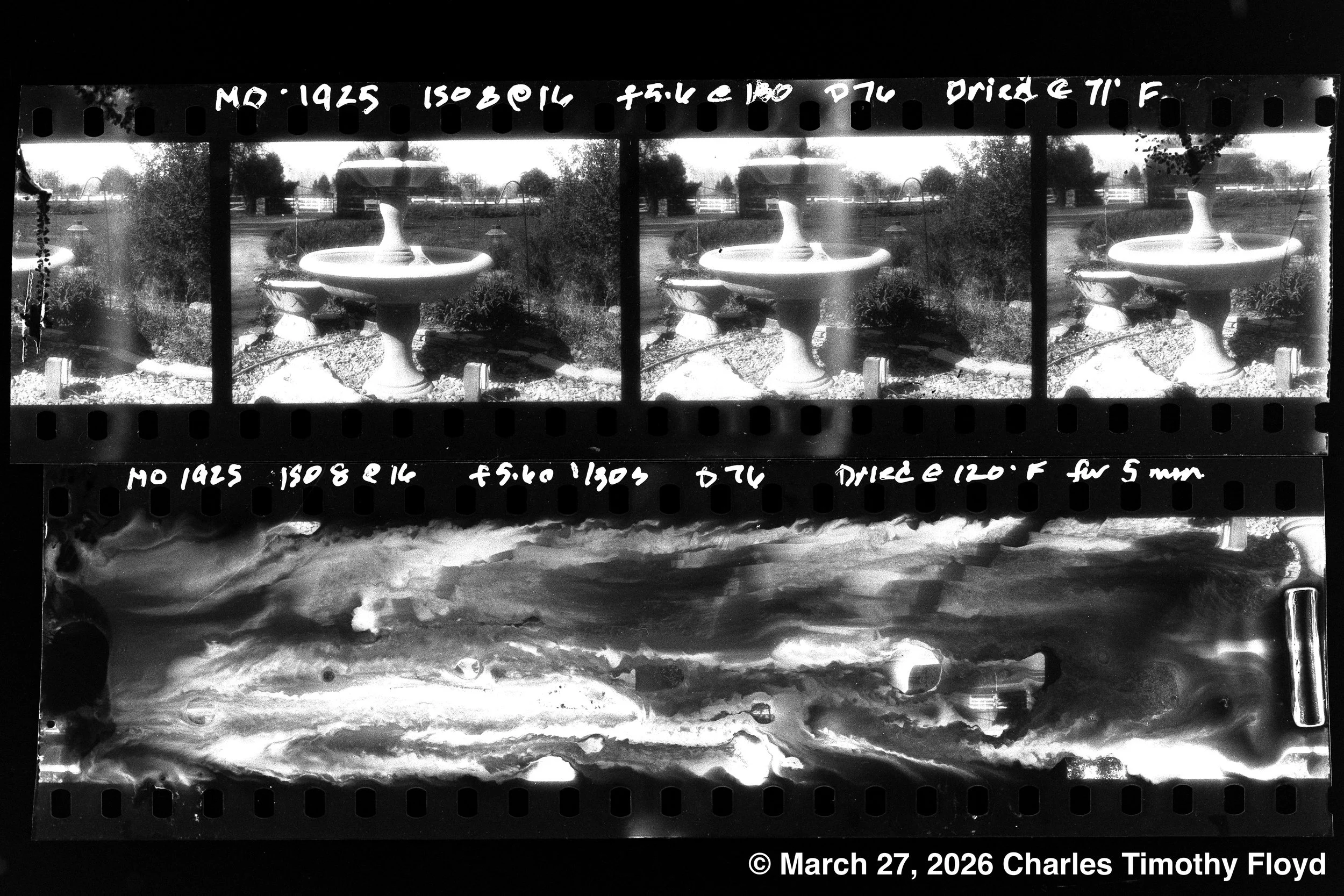
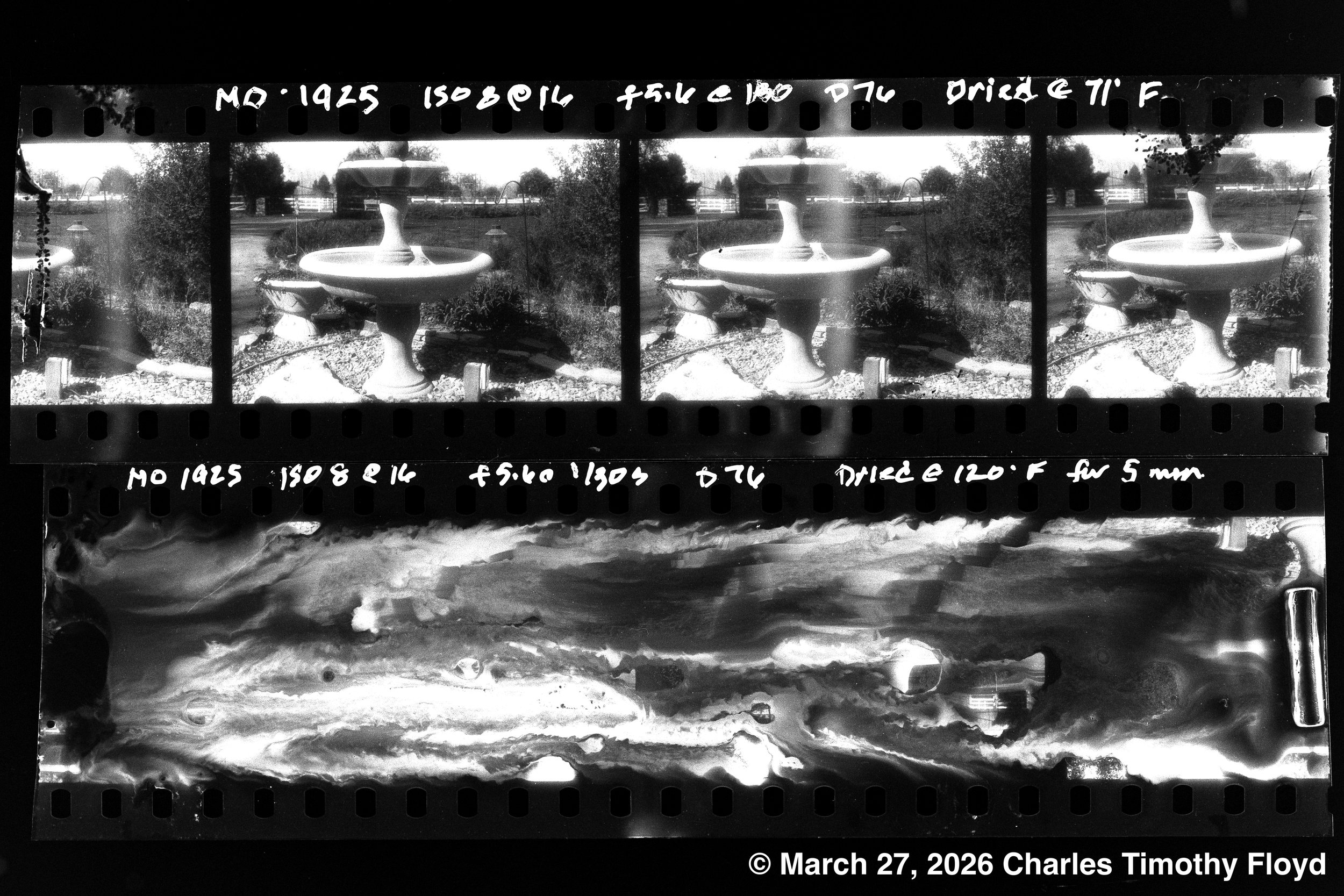
First, I placed a short section of leader in a beaker and poured warm water on it. The emulsion melted off. That does not happen with modern film emulsions. I then exposed a few frames outside and developed the film to make sure the combination of ISO, developer, and other variables would yield useable negatives. Once satisfied with that I exposed the remainder of the roll outside my house, processed the film, then cut it in half to dry. This resulted in two strips with about four frames each.
I hung one strip in my shower stall where the temperature was 71° Fahrenheit. I hung the other strip in a small oven set on very low heat that varied between 115 and 120° Fahrenheit. The strip in the shower dried normally with no distortion of the images. However, the strip in the oven began to melt within two minutes. As soon as I saw this and removed the film it quickly stabilized in room air. I allowed it to continue to dry at ambient temperature before making a contact print of both strips. The shower-dried strip is on top and the oven-dried strip is below.